
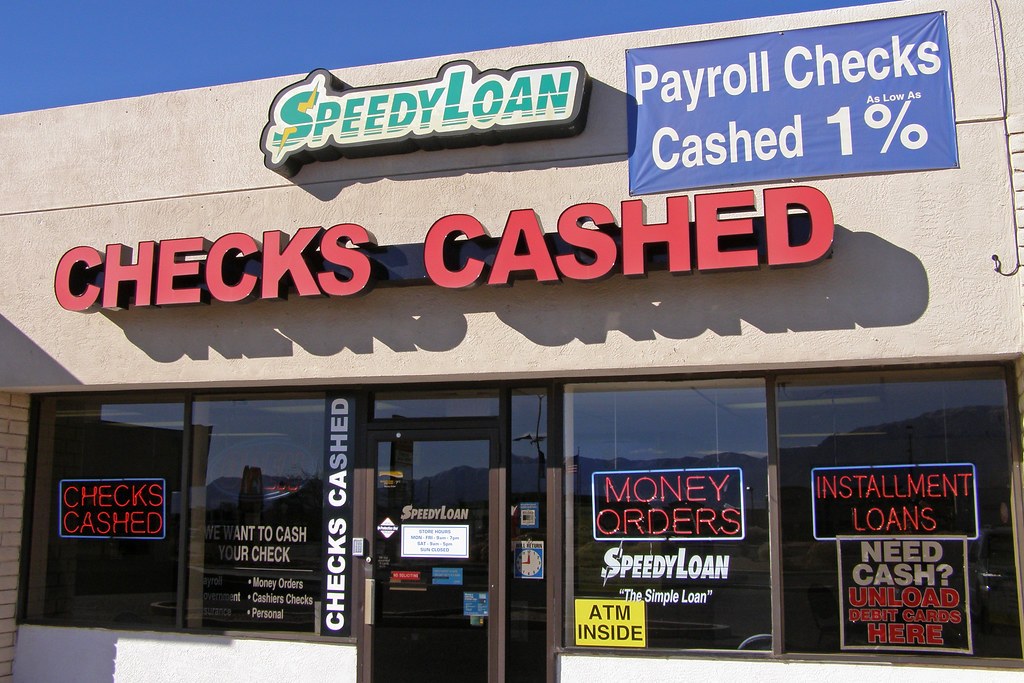
Getting a personal loan quickly depends on what you actually need more: fast cash or a low interest rate. Some lenders focus on speed using automated approvals, while others offer better terms if you already have a solid credit history.
We’ve spent a lot of time looking into how these tools work in the real world. It isn’t just about clicking the first thing a digital app offers; you have to match your specific goal or crisis with the right kind of debt.
Whether you’re trying to consolidate high-interest credit card debt or fix a leaking roof, your options vary. Some people find that the convenience of an online application is worth a slightly higher APR, while others will wait a few days to make sure they get the best rate possible.
Money is stressful. That’s just the truth.
The Speed vs. Cost Tradeoff in Digital Lending
When an unexpected car repair hits, most people don’t want to spend a week hunting down paperwork. They want the money in their account by tomorrow. This is why specialized online lenders dominate. They use automated underwriting to make decisions in minutes instead of days.
For example, Discover offers personal loans from $2500 to $40000 with APRs ranging from 6.99% to 24.99%. This wide range exists because there is a massive difference in risk between someone with a perfect credit score and someone still building their profile. The speed is impressive, and funds often arrive as early as the next business day.
Speed usually comes with a catch, though. The faster the money arrives, the more likely you are to see an interest rate that reflects the lender’s risk. If you aren’t in a rush, you might have better luck with traditional banks. They often have more “human” layers in their approval process, which can sometimes lead to better terms for people who don’t fit into a standard algorithm.
People often make the mistake of rushing into a high-interest loan to solve a temporary problem. It’s better to take 48 hours to compare rates than to spend three years paying off debt that was twice as expensive as it needed to be.
Consider these common loan scenarios:
- Debt Consolidation: Taking one large loan to pay off five smaller, high-interest credit cards.
- Home Improvement: Using a lump sum to increase property value through renovation.
- Emergency Expenses: Covering medical bills or urgent auto repairs.
- Major Purchases: Financing a wedding or a high-end piece of furniture.
If you’re weighing these options, you might want to apply for a loan here to see what your specific situation allows.
Comparing the Big Banks and Specialized Lenders
The lending market is split between the “giants” and the “specialists.” The giants, like Wells Fargo, tend to cater to people with established relationships and solid credit. Specialized lenders often step in where the big banks won’t go.
For instance, Wells Fargo offers personal loans with rates as low as 6.74% APR. This is a great starting point if you have a high credit score. These traditional players are good for predictable, large-scale financing. They are steady and reliable, but they aren’t always the quickest to move.
Specialized lenders like Mariner Finance take a different approach. They offer personalized loans up to $25,000 and provide a “safety net” by allowing you to return the money within 15 days if you’re dissatisfied, provided no fees were incurred. This is a specific niche that helps with the anxiety of taking on new debt.
Comparing these two sides is helpful when you’re deciding where to start. Here is how they generally stack up:
| Feature | Traditional Banks | Specialized Lenders |
|---|---|---|
| Approval Speed | Slower (Days) | Very Fast (Hours/Minutes) |
| Interest Rates | Generally Lower | Often Higher |
| Credit Requirements | Strict/High | More Flexible |
| Application Process | Often Requires Branch Visit | Primarily Online |
If your credit score isn’t where you want it to be, a large bank might not even look at your application. In those cases, looking for lenders that specialize in “installment loans” or those that offer a soft credit inquiry during pre-qualification is a smarter move.
How to Use Comparison Tools Without Wasting Time
You don’t have to visit twenty different websites to find the best deal. In fact, you shouldn’t. Doing that is a recipe for application fatigue and potentially multiple hard inquiries on your credit report, which can temporarily ding your score.
The most efficient way is to use a comparison engine. Platforms like LendingTree allow you to see real offers from hundreds of different financial partners side by side. You can compare rates, terms, and fees in a few minutes without being obligated to take any of them. It’s a way to get a “market view” of what you qualify for before you commit to a single application.
When looking at these offers, pay attention to the fine print on fees. Some lenders are very transparent, while others might hide origination fees in the APR. An origination fee is essentially a percentage of the loan that the lender takes off the top. If you borrow $10,000 but only receive $9,500 because of a fee, your actual interest rate is higher than the number they quoted you.
Look at the “Total Cost of Loan” rather than just the monthly payment. A low monthly payment sounds great for your budget today, but if that payment is stretched over 72 months, you will end up paying significantly more in interest than someone with a 36-month loan at a slightly higher monthly rate.
Before you sign anything, ask these questions:
- Is there a prepayment penalty if I pay this off early?
- Is the interest rate fixed or variable?
- What is the exact dollar amount that will be deposited into my account?
- Is there an origination fee, and if so, when is it paid?
Decoding the Math of Your Monthly Payment
One of the most common questions is: “How much would a $30,000 personal loan cost me per month?” The answer isn’t a single number. It shifts based on your interest rate and the length of your term. This is where the math gets real.
If you take out $30,000 at a 10% interest rate with a 5-year (60-month) term, your monthly payment would be roughly $633. Over the life of that loan, you would pay back about $38,000. That means the “cost” of borrowing that money was $8,000. That is a massive amount of money to realize only after you have signed the contract.
If you can shorten that term to 3 years (36 months), your monthly payment jumps to about $968, but the total interest you pay drops to roughly $4,800. You save $3,200 by paying more per month. It is a classic trade-off: higher monthly pressure for lower long-term cost. It’s a choice between your current lifestyle and your future net worth.
Unexpected costs happen even when you think you have a plan. OneMain Financial highlights this by noting that they provide loans for things like home improvement or car purchases to help manage these exact types of financial shifts. They aim to provide a bridge between the problem and the solution, but the bridge must be built on solid math.
To avoid getting stuck, try a “payment stress test.” Take the estimated monthly payment for the loan you want and add it to your current monthly expenses. If that number makes you feel nauseous, you probably shouldn’t take the loan, even if you qualify for it. Financial stability isn’t just about having enough to pay the bills; it’s about having enough to sleep at night without worrying about a single missed payment.
The lending market is always changing, but the fundamental math remains the same.